What IVDD means
Intervertebral disc disease involves the discs between the bones of the spine. When a disc degenerates and bulges or ruptures, it can affect the spinal cord or nearby nerves. Signs range from pain to serious weakness or paralysis. Some breeds, including French Bulldogs and Dachshunds, are particularly affected, but any concerning signs deserve assessment regardless of breed.1, 3
Earlier changes can be subtle
A dog may seem unusually reluctant to move, turn their head or lower it to a bowl. You might notice a tense posture, yelping when handled, a wobbly walk or toes scraping the floor. These signs can have other causes too, which is why diagnosis requires a veterinary examination.2
What to do while arranging care
Stop running, jumping and stairs, and keep your dog calm in a small, secure space. If you need to lift them, support their body and avoid twisting the back. Don’t give human painkillers or massage a painful spine.
How vets assess and treat it
Your vet will examine movement, pain and nerve function. Advanced imaging may be needed to identify the problem and plan treatment. Some dogs can be managed with carefully prescribed restriction and medication; others need urgent specialist assessment and surgery.1, 3
What can help dogs with IVDD?
Your vet may combine several of these approaches:
- Crate rest: Strictly limited movement, usually in a crate or small pen for several weeks, gives the injured disc time to heal and helps prevent further damage.4
- Medication: Pain relief and anti-inflammatories ease discomfort, and medicines such as gabapentin or pregabalin can help settle nerve pain.4, 5
- Physiotherapy: When your vet agrees, guided exercises, balance work and hydrotherapy help rebuild strength, coordination and mobility.3, 4
- Acupuncture: Research suggests a modest benefit when it is used alongside conventional care, including helping some dogs walk again sooner.6
- Red-light and laser therapy: Light-based therapy (photobiomodulation) can support comfort and healing during rehabilitation. Study results are mixed, so it works best alongside your dog’s main treatment.7, 8
Everyday ways to look after your dog’s back
There is no guaranteed way to prevent IVDD, but sensible routines can support fitness and reduce avoidable falls and awkward landings.
- Maintain a healthy weight. Keeping your dog lean and fit avoids unnecessary extra load.
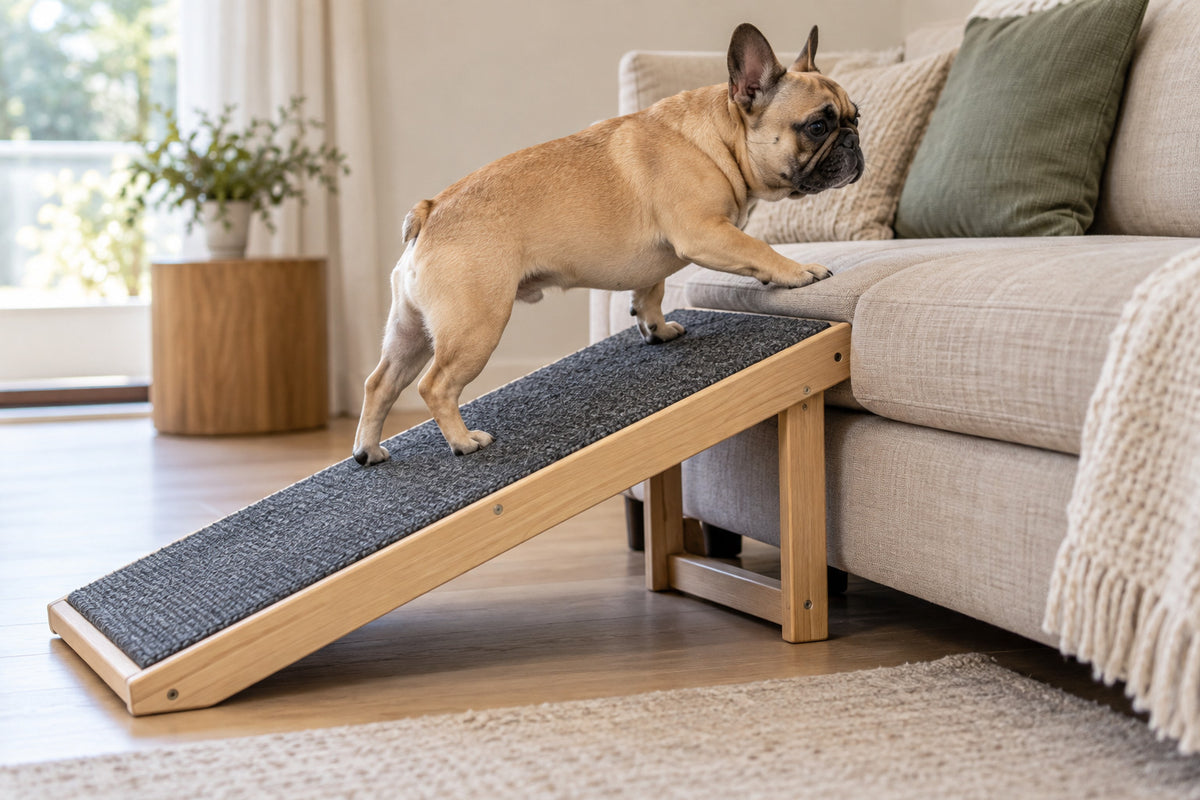
- Reduce jumping from furniture. Provide a stable, gently sloping ramp with good grip for the sofa.
- Manage stairs carefully. Prevent racing up and down steep or slippery stairs. A gate can help manage access.
- Choose a well-fitting harness for walks. A body harness spreads lead pressure across the chest and body instead of concentrating it around the neck.
- Keep exercise regular and suitable. Consistent walks help maintain fitness and muscle condition.
- Choose play with fewer hard landings. Avoid encouraging repeated leaps for toys or frantic games involving collisions and awkward twists.
Common questions
Can supplements help?
No supplement has been shown to prevent IVDD or repair damaged discs, so supplements are no substitute for the care described above. Ask your vet before adding anything to your dog’s diet, especially while they are recovering.
Health & Safety
Recognise concerning changes and know when your dog needs veterinary help.
Explore dog health guidesGeneral information for dog owners. Your vet can advise on your dog’s individual health and diet.
Sources and further reading
Sources checked 7 October 2026. Research findings relate to the studied preparations; listing a source does not mean it endorses ReoRolo products.
- American College of Veterinary Surgeons - Intervertebral disc disease
- Cornell University College of Veterinary Medicine - Intervertebral disc disease
- University of Illinois College of Veterinary Medicine - Intervertebral disc disease in dogs
- Moore and colleagues (CANSORT SCI) - Current approaches to the management of acute thoracolumbar disc extrusion in dogs
- Schmierer and colleagues - Randomized controlled trial of pregabalin for analgesia after surgical treatment of intervertebral disc disease in dogs
- Veterinary Evidence - In dogs with thoracolumbar disc extrusion does the use of acupuncture improve clinical recovery?
- Draper and colleagues - Low-level laser therapy reduces time to ambulation in dogs after hemilaminectomy: a preliminary study
- Canine photobiomodulation clinical study - Perilesional photobiomodulation therapy and physical rehabilitation in post-operative recovery of dogs surgically treated for thoracolumbar disk extrusion