The supplement shelf can make a simple dinner feel surprisingly complicated. An oil for the coat, a powder for the joints, another scoop for digestion: how do you work out what your dog actually needs?
The quick answer
A dog eating an appropriate complete diet does not automatically need extra vitamins or minerals. A supplement may have a useful role when it meets a specific nutritional need, with a suitable formulation and a clear feeding plan.1, 2
Start with the main meal
Before adding anything, check that your dog’s food is complete and suitable for their life stage. Supplements cannot reliably balance a homemade recipe assembled from meat, vegetables and guesswork. That needs a veterinary nutritionist’s formulation.
Write down everything your dog receives in a typical day. Include treats, chews, oils and any food used to hide tablets. This gives you and your vet a much clearer picture than looking at one tub in isolation.
Choose a reason before choosing a product
Useful questions include: What are we trying to support? Is there evidence in dogs? Has the specific ingredient or formulation been studied? How will we decide whether it is helping?
Skin changes, stiffness and recurring loose stools deserve a vet’s assessment. A supplement is not a treatment for any of these, so it should never delay finding out why your dog is uncomfortable.
Read beyond the front of the packet
Look for the amount of each key ingredient per serving, the full composition, feeding instructions and a manufacturer that can explain its quality controls. Check whether another product already supplies the same ingredients. A reassuring quality mark concerns manufacturing standards; it does not prove that a supplement will help your particular dog.3
Keep the label or take a photo for your vet. Human supplements can contain unsuitable amounts or additional ingredients, so choose a canine product unless your vet specifically advises otherwise.2
Make one change at a time
Once a supplement has been agreed, follow its directions and keep the rest of the routine steady. Record the start date and any changes in appetite, stools or behaviour. If you’re unsure whether it suits your dog, arrange a review rather than adding more products.
Common questions
Can I give several supplements together?
Sometimes, but overlapping ingredients and interactions need checking first. Share the full list with your vet.
Does natural mean safe?
No. The amount, composition and your dog’s health still matter. Extra nutrients can cause harm when they are not needed.1
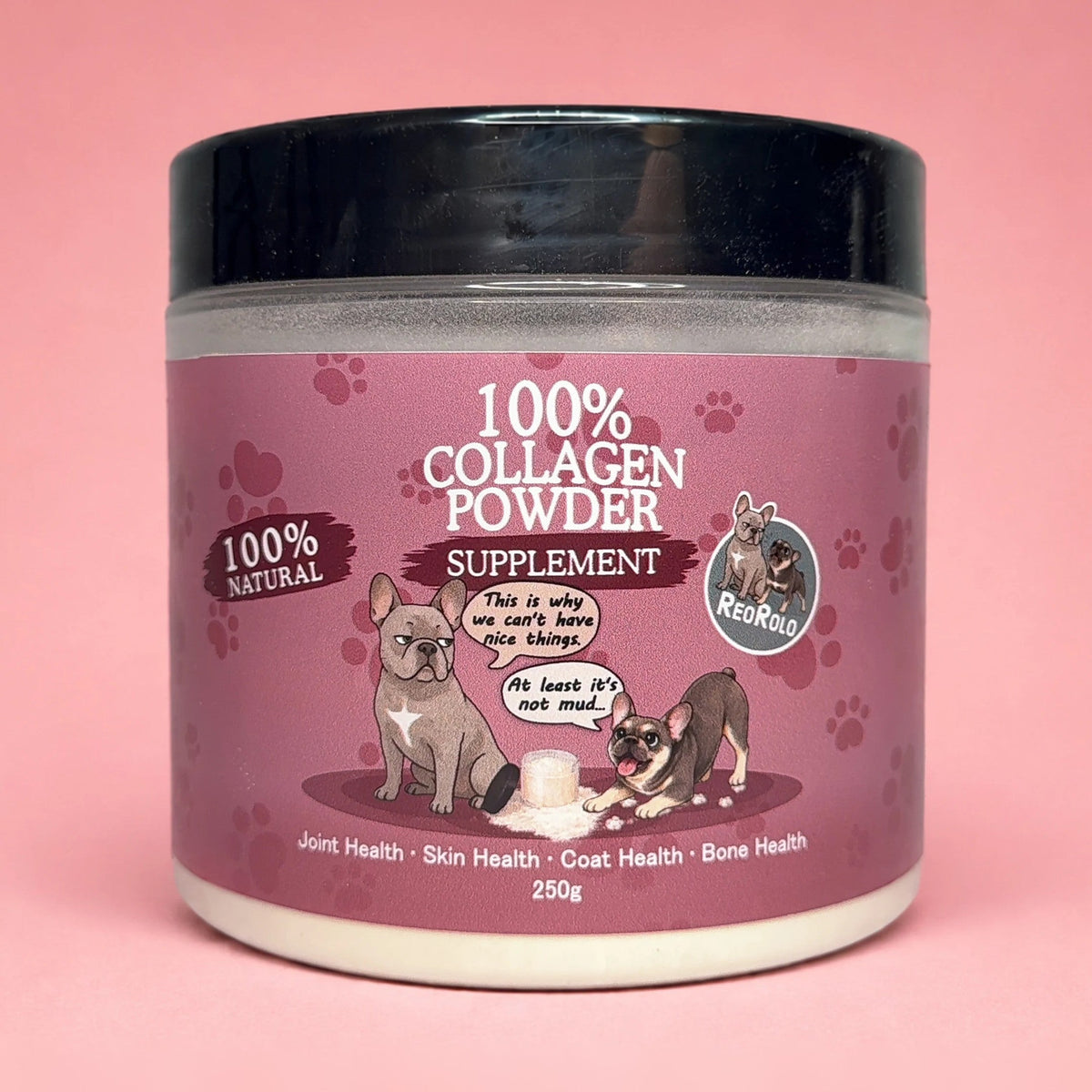
Supplements
Explore supplementsGeneral information for dog owners. Your vet can advise on your dog’s individual health and diet.
Sources and further reading
Sources checked 7 October 2026. Research findings relate to the studied preparations; listing a source does not mean it endorses ReoRolo products.
- Tufts Petfoodology - Dietary supplements for pets harmful or helpful
- Cornell University College of Veterinary Medicine - Diets to boost immunity
- Cornell University College of Veterinary Medicine - Choosing food for your senior dog